
By Staff Writer Kanupriya Goyal
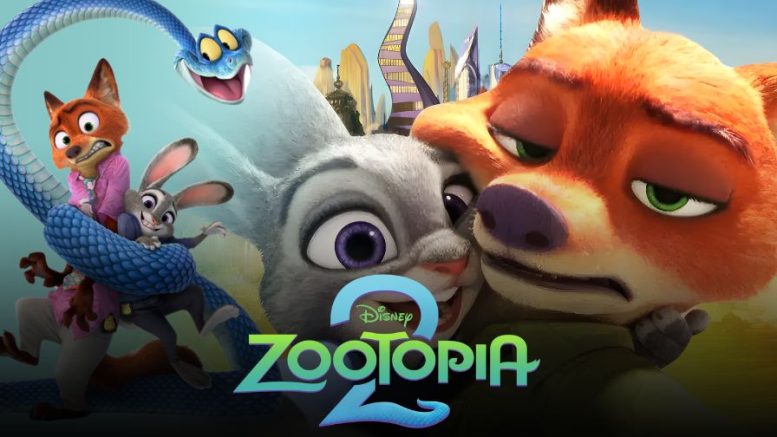
Set a few weeks after a rookie bunny cop first raced through the streets of a city built on coexistence, Zootopia 2 returned audiences to its bustling metropolis with the same vibrant energy that made the original 2016 film a beloved classic. Released by Walt Disney Animation Studios on November 26 and directed once again by Byron Howard, the film features the returning voices of Ginnifer Goodwin as Judy Hopps and Jason Bateman as Nick Wilde. The sequel drifts onto the screen like a familiar childhood fairytale: warm, colorful, and full of life. The movie expands upon its prior details masterfully, revealing significant new corners of the Zootopia world that have often been marginalized by the rest of the animals, such as Marsh Market, a hub of misty produce stalls and whispering lanterns, as well as the golden sand dunes beyond the city where sunlight rolls across the landscape like spilled honey.
At the heart of the film beats the tumultuous partnership between Hopps and Wilde. Their relationship — which is equal parts banter, bravery, and steadfast devotion — blooms with a fiery ferocity. The two characters come from entirely different backgrounds, yet the one truth they share is how fiercely they care for one another. Their everlasting bond is grounded in the small moments, which makes it all the more meaningful.
However, the film’s intensity isn’t just contained to specific scenes; it’s dotted with delights: from an iconic cameo by wildlife conservationist and recent Dancing With the Stars Mirrorball winner Robert Irwin — who voices the enthusiastic koala Robert Furwin — to the return of Shakira as the famed popstar Gazelle, whose songs shimmer through the film with their familiar upbeat sparkle and maintain the same catchy pop vibes as the first movie. Each appearance injects a burst of personality that keeps the film’s momentum cheerful and dynamic, making the sequel feel richer rather than simply bigger.
Zootopia 2 embraces emotional depth in every aspect of its development. Beneath the pastel colors and witty dialogue, the film crafts a story of terror and resilience, depicting the fragile line between courage and recklessness. It grapples with weightier topics than its predecessor, such as who gets to control the narrative throughout the historical texts that paint the past, how official stories are warped, and the danger of warping historical facts for the convenience of power. The film builds upon these concerns through its introduction of reptile species and their ostracization from the rest of society, most notably the snake, Gary De’Snake, whose storyline is a powerful and symbolic representation of the perils of historical erasure. Additionally, the climax expands further on the issues of identity and the persistence required to confront institutions far larger than oneself in the pursuit of truth. The film insists firmly that the truth matters, even if the people are more comfortable with a lie.
With its final moments, Zootopia 2 weaves a story that’s both whimsical and deeply human. Hopps and Wilde stand together once more, small figures in a dazzling city, battling injustice while confronting the complexities of their own dynamic. It reminds viewers that justice is often inconvenient and that the truth requires a bit of faith, especially in those that society was so easily willing to condemn.
Grade: A
Be the first to comment on "Justice Never Sleeps In Zootopia 2, But It Sure Gets Wilde"